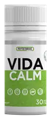
GABA, L-theanine, magnolia bark, ashwagandha, lemon balm and passionflower give the formula its calm core. Research on these ingredients is still developing, so we describe them as traditional or nutritional ingredients and never as treatments.*
VidaCalm1. GABA
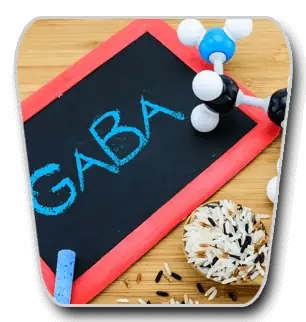
The calming amino acid. GABA, short for gamma-aminobutyric acid, is the main calming (inhibitory) messenger in the brain, and your body makes it naturally. It is also sold as a supplement.
VidaCalmHow much oral GABA reaches the brain is still debated, and studies on its effect on calm are small and mixed, so it is best seen as a nutritional ingredient, not a treatment.
Good to know: It may add to drowsiness from sedatives or sleep aids. Ask your clinician first if you take blood pressure medicine or sedatives.
2. L-Theanine
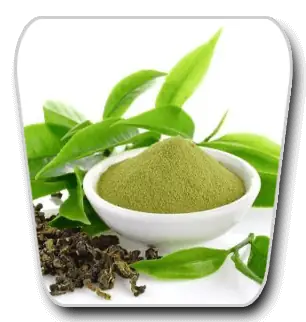
The relaxed-alertness amino acid from tea. L-theanine is an amino acid found mainly in the leaves of the tea plant, Camellia sinensis, and part of why a quiet cup of tea feels different from a cup of coffee.
Studies have looked at relaxed alertness, often alongside caffeine, and it is generally well tolerated.
Good to know: It may lower blood pressure slightly and add to the effect of sedatives. Ask first if you take blood pressure medicine or sedatives.
3. Magnolia Bark
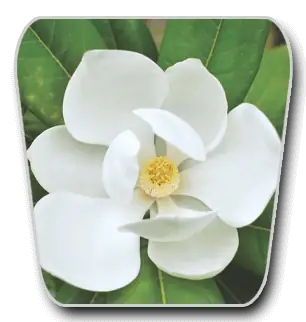
Traditional Asian bark. Magnolia bark comes from Magnolia officinalis, a tree used in traditional Chinese and Japanese herbal practice. It contains compounds called honokiol and magnolol.
It has traditionally been used to ease everyday tension. Human research is limited.
Good to know: It can cause drowsiness and may slow blood clotting. Ask first if you take sedatives or blood thinners, or before surgery.
4. Ashwagandha
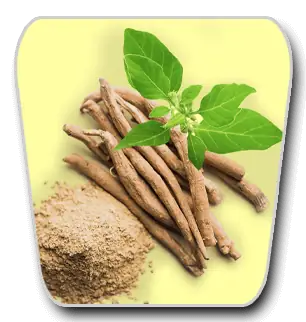
Ayurvedic adaptogen root. Ashwagandha, Withania somnifera, is a root used in Ayurveda for centuries, sometimes called Indian ginseng. It is often described as an adaptogen.
Studies on stress and sleep are mixed, and quality varies, so claims should stay modest.
Good to know: It may affect thyroid hormone levels, and it can interact with thyroid, diabetes, blood pressure and immune-suppressing medicines and with sedatives. Rare liver injury has been reported. Avoid it in pregnancy.
5. Lemon Balm
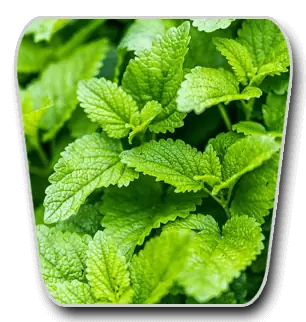
A lemony mint-family herb. Lemon balm, Melissa officinalis, is a mint-family herb with a light lemon scent, often brewed as a tea.
It has a long tradition for easing the mind, and small studies have looked at calm and mood.
Good to know: It can cause drowsiness and may affect thyroid function. Ask first if you take thyroid medicine or sedatives.
6. Passionflower
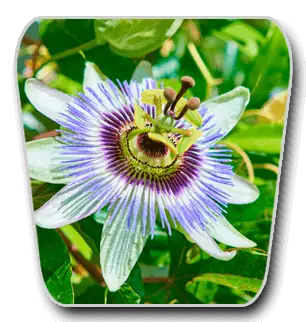
A showy climbing vine. Passionflower, Passiflora incarnata, is a climbing vine with striking flowers, used in herbal tradition for restlessness.
Small studies have looked at everyday worry and sleep, with mixed results.
Good to know: It can cause drowsiness and may add to sedatives. Avoid it in pregnancy, and ask first if you take blood thinners.
Next
See all eighteen ingredients and safety and interactions.
*These statements have not been evaluated by the Food and Drug Administration. This product is not intended to diagnose, treat, cure or prevent any disease.